The Ten Beaujolais Crus Explained: Villages, Soils and Heights
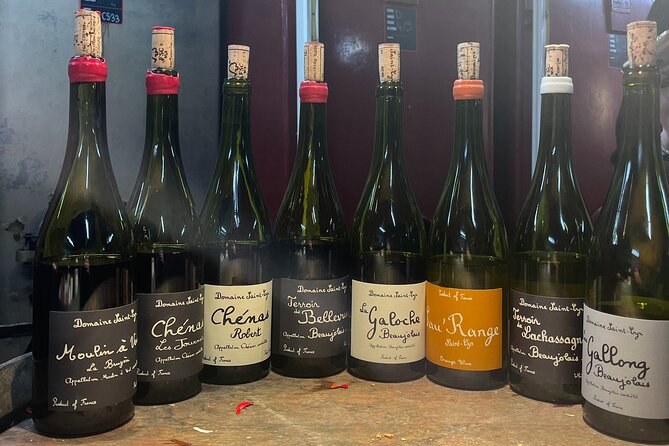
The short answer. A cru is one of the ten villages or groups of villages whose wine goes out under its own name rather than as Beaujolais: Brouilly, Chénas, Chiroubles, Côte de Brouilly, Fleurie, Juliénas, Morgon, Moulin-à-Vent, Régnié and Saint-Amour. All ten are red and made from gamay. They grow in the north of the region, and most of them sit on granite. A day from Lyon usually tastes two or three of them.
What makes a cru a cru
The Beaujolais has 12 appellations. Two are regional, Beaujolais and Beaujolais-Villages, and the other ten are the crus, named after their communes. Inter Beaujolais, the wine council, places the regional wines mostly in the south and the crus in the north, where the soil is often sandy and about half of it granite in origin.
That granite is what you come to the crus for. The same grape tastes different from one hill to the next, and a good guide will show you why in your own glass. More than 300 soils have been mapped across the region, and the council calls it the French vineyard with the richest and most complex geology.
The ten crus at a glance
The table follows the council's own appellation sheets, from the highest vineyards to the lowest. Heights are the typical altitude of each cru's vines, so you can picture the hills your van climbs.
| Cru | Commune(s) | Altitude | Main soils | Area |
|---|---|---|---|---|
| Chiroubles | Chiroubles | 410 m | Pink granite (100%) | 315 ha |
| Régnié | Régnié-Durette, Lantignié | 350 m | Granite (64%) | 550 ha |
| Fleurie | Fleurie | 340 m | Pink granite (90%) | 840 ha |
| Juliénas | Juliénas | 330 m | Blue stone (42%), schist | 575 ha |
| Morgon | Villié-Morgon | 310 m | Granite (52%), blue stone (37%) | 1,090 ha |
| Côte de Brouilly | Odenas, Quincié, Cercié, Saint-Lager | 300 m | Blue stone (40%), granite (24%) | 310 ha |
| Brouilly | Six communes around Mont Brouilly | 290 m | Pink granite (46%) | about 1,200 ha |
| Saint-Amour | Saint-Amour-Bellevue | 280 m | Piedmont deposits (48%), granite (22%) | 315 ha |
| Chénas | Chénas, Chapelle-de-Guinchay | 260 m | Piedmont deposits (49%), granite (47%) | 250 ha |
| Moulin-à-Vent | Romanèche-Thorins, Chénas | 255 m | Granite, limestone, marl | 640 ha |
The high crus: Chiroubles, Régnié and Fleurie
Chiroubles has the highest vines in the Beaujolais, at about 410 metres, often on slopes steeper than 30%. Its soil is entirely pink granite. The council describes the wine as fresh, generous and expressive, and suggests it for an aperitif or a picnic.
Régnié is spread over Régnié-Durette and Lantignié at about 350 metres, on granite. The wine is described as supple and fruity. Look up at the village church as you pass: its two spires were built in 1867 to a design by Pierre Bossan, who went on to build the Basilica of Notre-Dame de Fourvière in Lyon.
Fleurie covers about 840 hectares, 90% of them pink granite, below the hill of La Madone and its chapel at 425 metres. The council's words for the wine are luminous, fruity and delicate, with a nose of iris and violet. The afternoon crus tour stops at the viewpoint.
The granite heart: Morgon and Brouilly's hill
If you like a wine with more weight, this is your corner of the map. Morgon is the commune of Villié-Morgon, about 1,090 hectares, 52% granite and 37% blue stone. The first of its named vineyard sites is the Côte du Py. The council describes the wine as fleshy, dense and powerful.
Brouilly and Côte de Brouilly share a mountain. Brouilly, the southernmost of the crus, spreads around the foot of Mont Brouilly across six communes. Côte de Brouilly grows on the slopes of the hill itself, 310 hectares mostly of blue stone, below the Notre-Dame aux Raisins chapel that has stood on the summit since 1854.
Around the windmill: Moulin-à-Vent and Chénas
Moulin-à-Vent takes its name from the windmill on its hill, a historic monument at 278 metres. The appellation covers about 640 hectares in Romanèche-Thorins and Chénas, on granite with some limestone and marl. The council's words for it are personality and prestige, with blackcurrant and liquorice on the nose, and it suggests keeping it for a special meal.
Chénas is generous, structured and silky, by the same account, and grows on granite and piedmont deposits at about 260 metres.
Juliénas and Saint-Amour: blue stone and older deposits
If you want to taste how much the rock matters, you will find the contrast here. Juliénas is the cru of blue stone: 42% of its 575 hectares, with schist and piedmont deposits. The wine is described as expressive, fresh and fleshy. On the Land Rover day you drink a glass of it with growers in an old church turned into a cellar.
Saint-Amour, in Saint-Amour-Bellevue, grows mostly on piedmont deposits at about 280 metres. The council calls it fruity, tender and harmonious, with a nose of kirsch, peony and raspberry.
Which crus a day from Lyon tastes
No day tastes all ten, and the estates you visit are chosen by the operator. What you can choose is the part of the crus a day spends its time in. The full picture of the region's roads is on the Beaujolais wine route.
| The day | Crus villages on the route |
|---|---|
| Crus full day | An estate around Fleurie, then Romanèche-Thorins (Moulin-à-Vent) |
| Afternoon crus tour | Cercié (Brouilly country), La Madone above Fleurie, Chénas |
| Land Rover day | Fleurie, Saint-Amour-Bellevue, Chénas, Juliénas, Régnié-Durette |
| Private tasting day | Côte de Brouilly and Fleurie |
| Wine merchant's day | Fleurie, Villié-Morgon, a picnic above Chiroubles |
If you want the most crus villages in one day, the Land Rover day stops in five. If you want the most time at each estate, the crus full day gives you about three hours at each of two. The wine merchant's day pours the widest range, 15 to 20 wines, old vintages among them.
How to tell them apart in the glass
- Floral on the nose: Fleurie, Chiroubles and Saint-Amour, with iris, violet and peony in the council's descriptions.
- Fruity and supple: Brouilly and Régnié.
- Denser: Morgon, fleshy and powerful, and Moulin-à-Vent, which the council keeps for special occasions.
The region's figures, from the gamay grape to the Geopark, are gathered in Beaujolais wine facts.
Where these facts come from
- Inter Beaujolais: the 12 appellations
- Inter Beaujolais: a mosaic of soils
- Inter Beaujolais: Chiroubles
- Inter Beaujolais: Régnié
- Inter Beaujolais: Fleurie
- Inter Beaujolais: Morgon
- Inter Beaujolais: Brouilly
- Inter Beaujolais: Côte de Brouilly
- Inter Beaujolais: Moulin-à-Vent
- Inter Beaujolais: Chénas
- Inter Beaujolais: Juliénas
- Inter Beaujolais: Saint-Amour
Days that spend their hours among the crus
Beaujolais Crus Wines & Castles (2:00 pm - 6:30 pm) - Small Group Tour from Lyon
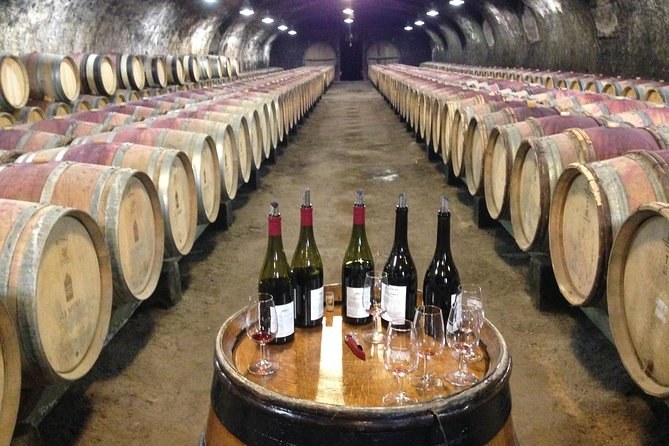
A 2 pm start from Place Bellecour for the crus: a family winery in Cercié, the La Madone viewpoint above Fleurie and a château cellar in Chénas, back in Lyon at 6:30 pm.
From $126 per person
Check Availability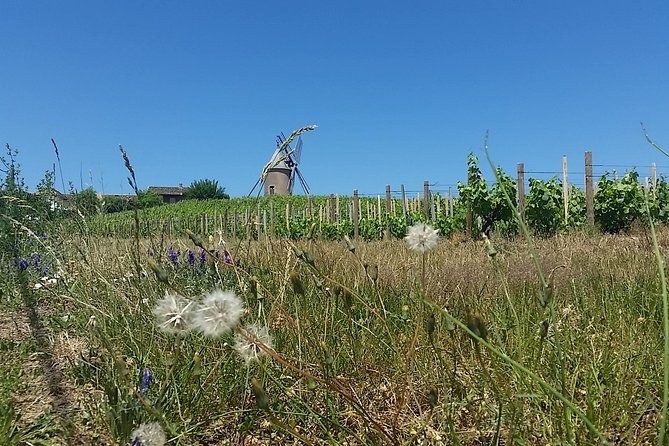
Beaujolais Region Wine Tasting Private Day Tour from Lyon
A private day from your Lyon hotel at 9:15 am to up to three wineries in the Côte de Brouilly and Fleurie appellations, priced for a group of up to four.
From $1,158 per group, up to 4
Check Availability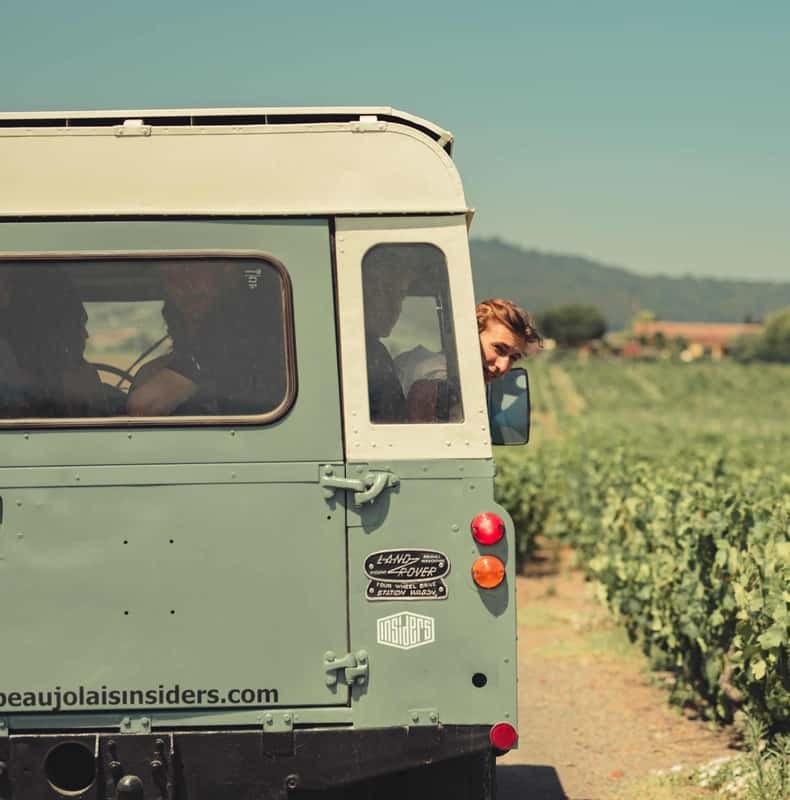
From Lyon : Beaujolais Private Day Tour by Vintage Defender
A train from Part-Dieu to Belleville, then a vintage Defender through the northern crus: tastings at two to four wineries, cheese and cold cuts in the vines, and Juliénas to finish.
From $557 per person
Check AvailabilityNext: Compare the two halves on the Beaujolais wine route. Every fare from Lyon sits side by side on Beaujolais Tours.